

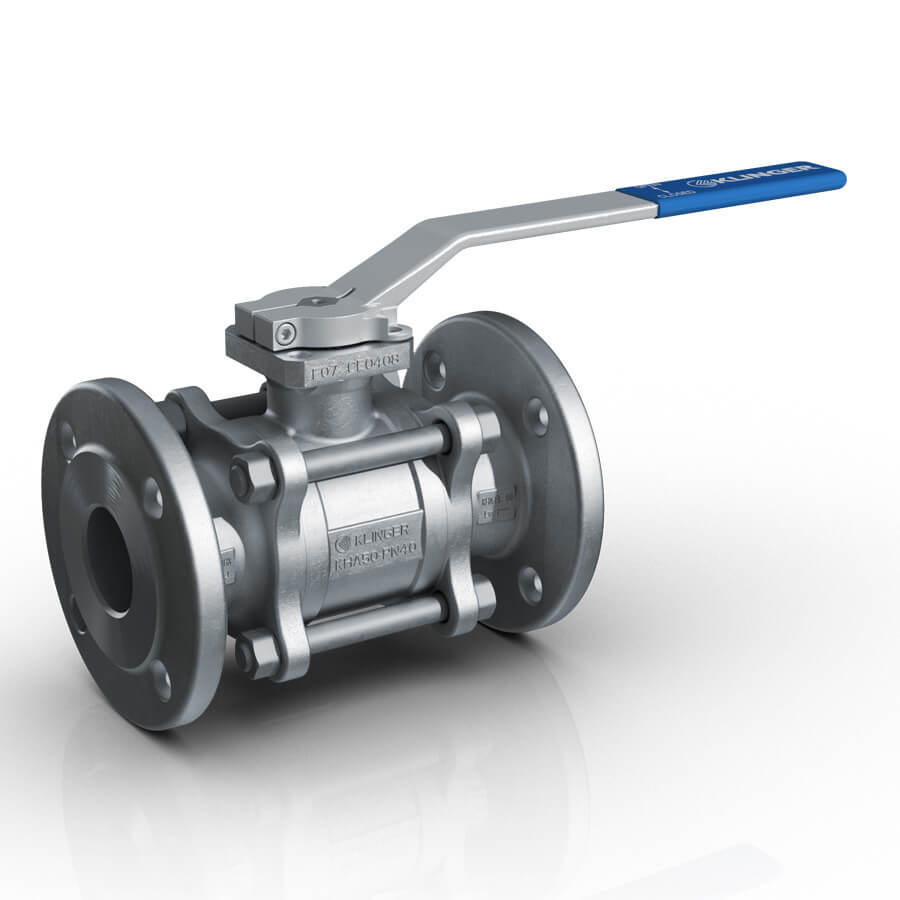
Engineers working in severe service environments face some of the toughest operating conditions in industry. These applications often involve high pressures, extreme temperatures, and fluids that are corrosive, abrasive, or hazardous. In such demanding settings, reliable valve performance is essential to protect equipment, ensure safety, and maintain continuous operations.
In many cases, traditional valve seat assemblies can become a point of weakness. These designs often introduce potential leak paths that may lead to equipment failure, costly downtime, and increased maintenance. As a result, alternative technologies are gaining attention for their ability to improve reliability in harsh conditions.
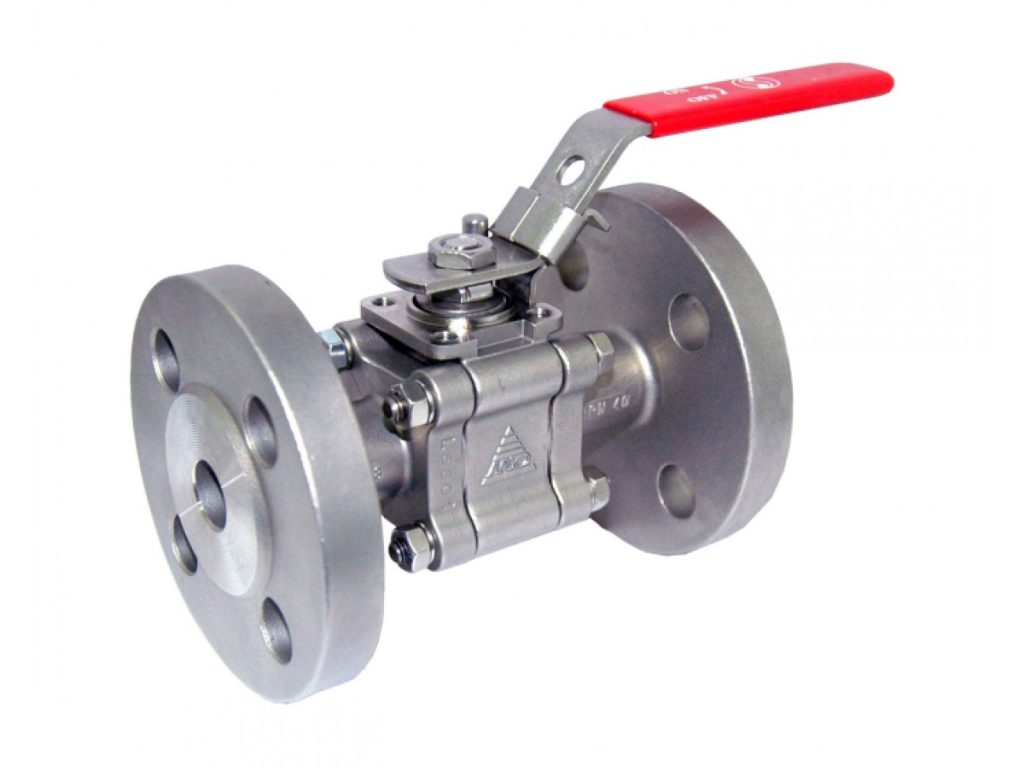
A shift toward integral seat technology
Integral seat valve design offers a different approach by removing common failure points found in conventional valves. Instead of using a separate seat component that is pressed, bolted, or welded into place, the seating surface is machined directly into the valve body itself.
This design significantly reduces the risk of leakage. In traditional valves, two primary leak paths typically exist: between the ball and the seat, and behind the seat component. By integrating the seat into the body, the secondary leak path is eliminated, reducing the overall risk of failure.
This advantage is particularly important in severe service applications such as slurry handling, steam systems, and chemical processing, where erosion, corrosion, and high pressure can accelerate wear and damage.
Redefining “zero leakage”
The concept of “zero leakage” is widely used across the valve industry, but definitions can vary. Some standards allow for minimal, acceptable leakage rates, meaning that a valve may still leak even when classified as compliant.
A stricter interpretation defines zero leakage as the complete absence of measurable leakage over time. This approach focuses on eliminating visible drops or bubbles entirely, ensuring maximum sealing performance. Achieving this level of sealing not only improves efficiency but also extends valve lifespan and reduces the risk of progressive damage.
Leakage, even at low levels, can worsen over time. In applications such as power generation, it can also lead to energy losses, particularly when dealing with steam systems.
Designed for demanding environments
Integral seat valves are engineered specifically for severe service conditions. Typical applications include high-pressure steam systems, abrasive slurry handling, refining processes, acid services, and cryogenic operations.
Valve selection in these environments depends on several factors, including pressure, temperature, material compatibility, corrosion resistance, and operational cycles. These valves are not intended for light-duty use, but rather for situations where durability and long-term reliability are critical.
Extending lifecycle and reducing maintenance
One of the key benefits of integral seat technology is its contribution to lifecycle cost savings. The seating surfaces can be refurbished through recoating processes, allowing valves to be reused rather than replaced. Advanced coatings such as chromium carbide or tungsten carbide can be applied multiple times, extending service life.
This approach reduces the need for complete spare units and helps minimise maintenance costs over time. It also supports more efficient asset management in large-scale industrial operations.
Supporting longer operational cycles
Across industries such as refining and power generation, there is a growing trend toward extending maintenance intervals. Shutdown cycles that once occurred every four to five years are now being pushed to six or seven years or longer.
Reliable valve performance plays a crucial role in enabling these extended cycles. By reducing the likelihood of failure and unplanned downtime, integral seat valves contribute to improved operational continuity and overall plant efficiency.
A reliability-focused approach
In severe service fluid handling, reliability is not just a performance metric—it is a necessity. By eliminating common leak paths, reducing maintenance requirements, and supporting long-term operation, integral seat valve technology addresses some of the most critical challenges faced by engineers today.
Ultimately, the goal is simple: install a valve that performs consistently, requires minimal intervention, and operates without causing disruption—allowing engineers to focus on the broader demands of their systems.
