

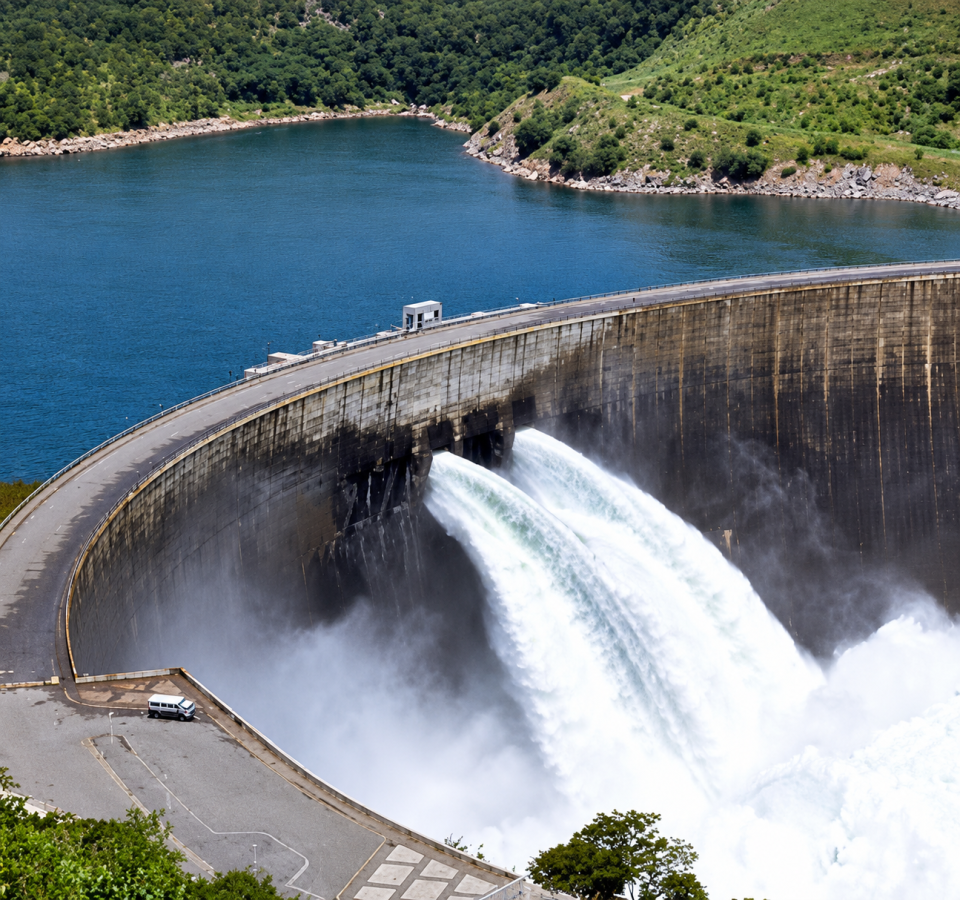
The Zambezi River Authority (ZRA) has reduced the water allocation for electricity generation at Kariba Dam to 23 billion cubic metres (BCM) for 2027, a 36% decrease from the 36 BCM allocated for 2026. The decision follows forecasts of below-normal rainfall across parts of Southern Africa during the 2026/2027 rainy season.
The allocation will be shared equally between Zambia’s ZESCO Limited and Zimbabwe Power Company (ZPC), with each utility receiving 11.5 BCM to operate its respective Kariba hydropower station.
El Niño Forecast Influences Water Allocation
According to the ZRA, the revised allocation reflects regional climate forecasts, assessments from meteorological agencies in Zambia and Zimbabwe, and the Authority’s own projections of water inflows into Lake Kariba.
The outlook from the 33rd Southern Africa Regional Climate Outlook Forum indicates an increased likelihood of below-normal rainfall across much of central and southern Southern Africa between October 2026 and March 2027. Southern Zambia and much of Zimbabwe are expected to experience below-normal rainfall early in the season, with dry conditions potentially extending into the first quarter of 2027.
The lower allocation is intended to align hydropower water use with projected availability and support the management of the shared reservoir under potentially drier conditions.
Lake Kariba Water Levels and Storage Outlook
Despite the reduced allocation for 2027, current reservoir conditions are stronger than those recorded during the same period in 2025.
On 14 October 2026, Lake Kariba stood at 480.65 metres above sea level and held approximately 23.77 BCM of usable water, equivalent to 36.68% of usable storage capacity. On the same date in 2025, usable water stood at 8.25 BCM, or 12.75% of usable storage.
The Authority projects that Lake Kariba will begin 2027 with approximately 16.24 BCM of usable water. If the approved 2027 allocation is fully utilised, the reservoir is projected to close the year with 5.83 BCM of usable water remaining, equivalent to around 9% of live storage.
These projections highlight the importance of carefully managing available water as rainfall and reservoir inflows change throughout the season.
Implications for Regional Hydropower Generation
Kariba Dam is a significant source of electricity for both Zambia and Zimbabwe. The lower water allocation places greater emphasis on managing reservoir resources and coordinating generation operations between the two utilities.
The ZRA said it would continue monitoring water utilisation daily and working with ZESCO and ZPC through joint technical committee meetings to ensure compliance with the approved allocations. It will also assess water availability against its projections and communicate further operational decisions as conditions evolve.
The allocation reduction does not by itself determine the scale of any future electricity shortfalls, which will also depend on other generation sources, demand and operating conditions.
As the region enters the 2026/2027 rainfall season, the management of Lake Kariba’s water resources will remain important to maintaining hydropower operations and supporting electricity supply in both countries.
