

Business, tourism and agricultural sectors have backed precautionary water restrictions announced for the Western Cape, describing them as a necessary step to avert a potential Day Zero.
Farmers have, however, warned that cuts to irrigation allocations could affect production, exports and rural jobs.
The Department of Water and Sanitation on Monday confirmed that the Western Cape will face water restrictions on 7% of domestic and industrial water allocation as well as a 15% reduction in irrigation water allocations.
The water restrictions will be implemented in a week’s time when they are gazetted.
The City of Cape Town has already announced that it will introduce Level 1 water restrictions with effect from December 1.
It said residents should use at least 10% less water and aim for no more than 85 litres per person per day.
How to be water-wise
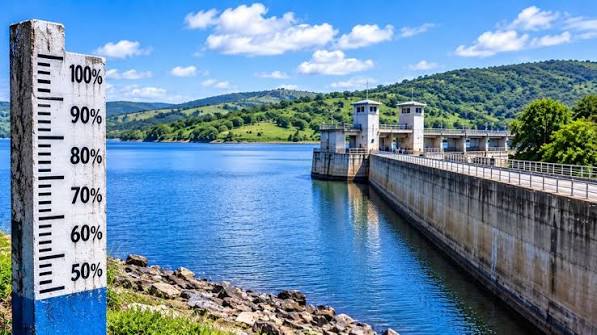
The precautionary measures were taken after the annual assessment of the Western Cape Water Supply System (WCWSS), which showed that combined storage in the province stood at 72.5% as at November 2 compared to 84.4% during the same period last year.
Cape Chamber President Jacques Moolman said they viewed the newly announced water restrictions as a necessary risk-management decision in light of the lower-than-average winter rainfall and forecasts pointing toward drier El Niño conditions.
He said an early, measured intervention was preferable to facing acute supply shocks later on.
“While we note the legitimate operational concerns raised by key economic sectors, most notably agriculture ahead of the summer harvest, the greatest threat to the regional economy would be a return to Day Zero anxiety that would severely disrupt business continuity and undermine investor confidence across the province.
“At the same time, we share the concerns raised around municipal water infrastructure and high levels of non-revenue water losses. If demand-side restrictions are a necessary precaution for households and businesses, they must be matched by sustained public-sector investment in leak repairs, maintenance, and long-term bulk supply to ensure that water wastage is curbed across the entire system,” said Moolman.
Cape Town Tourism CEO Enver Duminy said Cape Town has shown the world before that it knows how to be water-wise.Play Video
Irrigation cuts affect key crops
As we head into what we expect to be a busy summer season, the tourism industry has a real role to play in leading by example. Level 1 restrictions are a sensible, early step, and they don’t change the experience of visiting Cape Town,” he said.
“Our message to visitors is simple: come, enjoy everything the city has to offer, and travel responsibly while you’re here. Small choices, such as shorter showers and reusing towels, add up when millions of people make them. We encourage our members and partners to share water-saving tips with their guests and to keep sustainable practices first,” added Duminy.
Agri Western Cape CEO Jannie Strydom said they took note of the announcement of water restrictions.
“The agricultural sector supports responsible water management and wants to prevent a repeat of a potential Day Zero. A total of 58% of all primary agricultural products exported are exported from the Western Cape, and the sector provides 250 000 permanent jobs (25% of South Africa’s agricultural employment).
“This is despite the fact that the Western Cape has only 10% of the country’s productive agricultural land. This must be taken into account when deciding who carries the heaviest burden,” Strydom said.
