

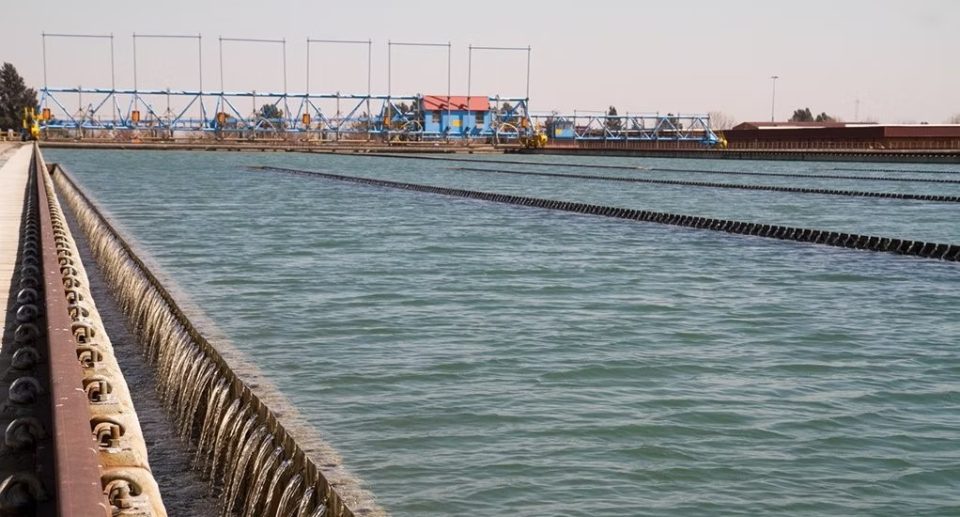
Water remains one of Southern Africa’s most valuable resources, but ageing infrastructure, population growth and climate-related pressures are placing increasing demands on water supply and management systems across the region.
For the pumps, valves and flow-control industry, these challenges are creating significant opportunities for investment in modern equipment, monitoring technologies and more efficient water-management solutions.
Ageing Infrastructure Drives Demand for Modern Equipment
Municipalities, mining operations and industrial facilities across Southern Africa require substantial investment to modernise water supply networks, improve treatment capacity and reduce system losses.
High levels of non-revenue water remain a challenge in many water systems, with leaks, ageing pipelines and inadequate maintenance contributing to significant losses. Addressing these issues requires investment in pumps, valves, piping, monitoring equipment and automation technologies that can improve network efficiency and reliability.
Modern flow-control and monitoring solutions can also provide operators with greater visibility of system performance, helping identify potential failures and maintenance requirements before they result in costly disruptions.
Mining Remains a Major Water Infrastructure Market
The mining sector is another major driver of demand for water infrastructure across Southern Africa.
Mining operations rely on water systems for applications ranging from dewatering and process water management to tailings facilities and water recycling. As operators seek to improve efficiency and environmental performance, investment in reliable pumping, flow-control and water-treatment equipment remains essential.
Water recycling and reuse systems are also becoming increasingly important as mines look for ways to reduce freshwater consumption and improve the overall efficiency of their operations.
Agriculture Increasingly Depends on Efficient Water Systems
Agriculture faces similar pressures as water availability becomes increasingly unpredictable.
Efficient irrigation systems, reliable pumps and improved water-management technologies can help agricultural operators make better use of available resources while supporting long-term productivity.
The adoption of smart monitoring and automated irrigation technologies is expected to further improve water-use efficiency across agricultural applications.
Smart Technology Supports Water Infrastructure Efficiency
Technology is playing an increasingly important role in the modernisation of water infrastructure.
Smart monitoring systems, remote asset management and predictive maintenance technologies are helping operators monitor equipment performance, identify potential problems and optimise maintenance schedules.
For pumps and valves, these technologies can support improved asset reliability while helping reduce energy consumption, maintenance costs and unplanned downtime.
Opportunities Across Southern Africa
The need for water infrastructure investment extends well beyond South Africa. Markets including Zambia, Botswana, Namibia and Mozambique are also facing growing requirements for reliable water supply, treatment, distribution and industrial water-management systems.
For manufacturers, technology providers and suppliers operating across the pumps, valves and flow-control sectors, these infrastructure challenges represent an opportunity to support improved water security while expanding into growing regional markets.
As Southern Africa continues to invest in water infrastructure, demand for efficient pumping systems, advanced valves, intelligent monitoring and water-treatment technologies is expected to remain an important area of industrial development.
The region’s water challenges therefore present a dual opportunity: improving the resilience and efficiency of critical infrastructure while creating new markets for innovative water-management solutions.
