

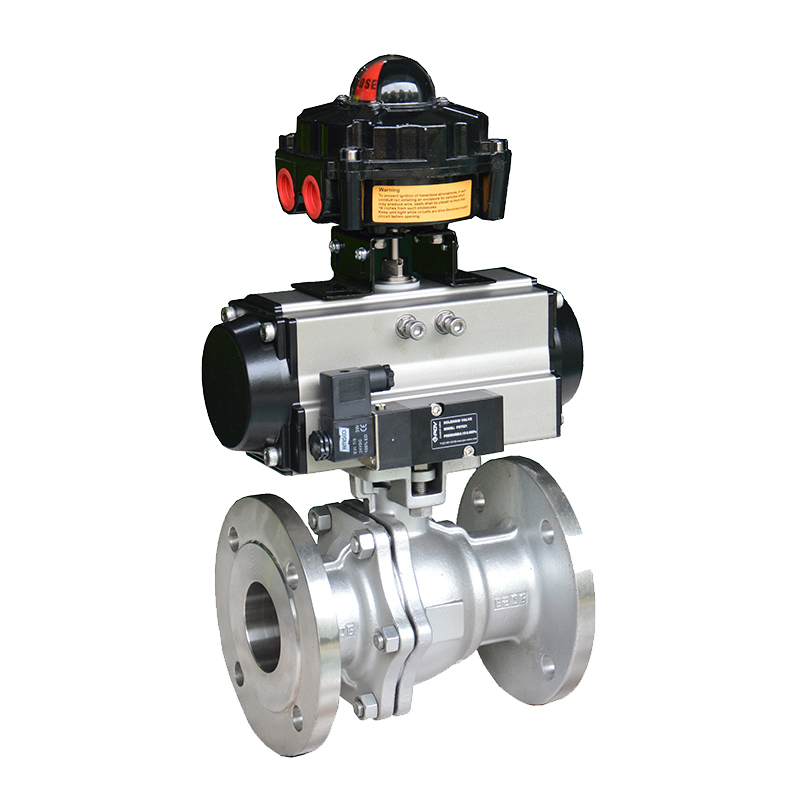
As African countries continue investing in water security, sanitation infrastructure and industrial development, the role of industrial valves and electric actuators is becoming increasingly important. From municipal water treatment plants and wastewater facilities to mining, manufacturing and irrigation systems, these technologies are essential for improving operational efficiency, reducing energy consumption and ensuring reliable service delivery.
With governments and utilities prioritising infrastructure modernisation, the focus is shifting beyond durability and reliability towards intelligent technologies that support digitalisation, predictive maintenance and long-term asset management.
Across the continent, operators are seeking solutions that not only improve process control but also reduce operating costs and extend the lifespan of critical infrastructure.
Modern electric actuators have evolved into intelligent field devices capable of monitoring valve position, torque, operating cycles, temperature and other performance parameters. Through industrial communication protocols such as Profibus, Profinet, Modbus TCP and Ethernet/IP, this operational data can be integrated into plant control systems and asset management platforms, providing operators with greater visibility into equipment performance.
One of the biggest advantages of these technologies is predictive maintenance. Rather than relying solely on scheduled servicing, operators can use real-time diagnostic data to monitor equipment health, identify developing faults and plan maintenance before failures occur. This approach helps reduce unplanned downtime while improving the availability of critical assets, an important consideration for water utilities operating under increasing service delivery pressures.
Companies such as AUMA continue to advance intelligent actuator technologies by incorporating remote diagnostics, condition monitoring and system integration capabilities into their latest product ranges. These features are particularly valuable for large water distribution networks and wastewater treatment plants where equipment is often installed across wide geographic areas.
Similarly, Schiebel Actuators is expanding the capabilities of its modular electric actuator portfolio to support both standard isolation duties and more demanding process control applications. As Africa’s water infrastructure becomes increasingly connected, cybersecurity is also emerging as an important consideration, particularly for critical national infrastructure where secure industrial communication is essential.
Alongside digitalisation, energy efficiency remains one of the primary drivers of investment across Africa’s water sector. Pumping systems account for a significant proportion of electricity consumption in water and wastewater facilities, making hydraulic optimisation an effective way to lower operating costs.
Modern control valves, working together with intelligent actuators, enable accurate regulation of flow, pressure and water levels while responding dynamically to changing system demands. This helps minimise energy losses, improve system performance and reduce overall electricity consumption.
Manufacturers such as KSB are addressing these requirements by integrating pumps, valves and digital monitoring technologies into complete system solutions that optimise hydraulic performance while improving operational efficiency. As many African utilities evaluate infrastructure investments over several decades, lifecycle costs—including maintenance, energy consumption and equipment availability—are becoming increasingly important alongside initial capital expenditure.
Pressure management is another growing priority for water utilities across the continent. Rapid urbanisation, ageing infrastructure and fluctuating demand place increasing pressure on distribution networks, making accurate flow and pressure control essential for reducing water losses and maintaining reliable service delivery.
Specialised valves such as pressure-reducing valves, pressure-sustaining valves, relief valves and level control valves play a vital role in stabilising network performance. Manufacturers including Mankenberg continue to develop corrosion-resistant stainless-steel valve solutions designed to deliver high control accuracy, long service life and minimal maintenance requirements in both municipal and industrial water treatment applications.
The integration of sensors directly into valve assemblies is also becoming more common, enabling operators to capture pressure, temperature and flow data at source and use this information to optimise network performance through advanced control systems.
Wastewater treatment presents its own set of operational challenges. Equipment must withstand abrasive solids, chemically aggressive media and long periods of inactivity while maintaining reliable sealing performance and meeting increasingly stringent environmental regulations.
Gate valves, knife gate valves, butterfly valves and ball valves used in wastewater applications therefore require robust construction, wear-resistant materials and dependable automation systems capable of operating with minimal on-site intervention.
Manufacturers such as Zwick continue to develop high-performance isolation and control valves engineered to minimise leakage, improve durability and extend maintenance intervals under demanding operating conditions. Advances in sealing technologies and wear-resistant materials are helping operators improve plant reliability while reducing maintenance costs.
As Africa accelerates investment in water infrastructure, industrial development and environmental sustainability, smart valve and actuator technologies will play an increasingly important role in building resilient and efficient water systems. Digitalisation, energy efficiency and predictive asset management are no longer optional innovations—they are becoming essential tools for improving service delivery, conserving resources and supporting sustainable economic growth across the continent.
The latest developments in industrial valves, actuators and digital flow control technologies will be among the innovations showcased at Valve World Expo 2026, providing valuable insight into how manufacturers are shaping the future of water and wastewater management for industries around the world, including Africa.
